Systems Matched to Real Seasonal Demands
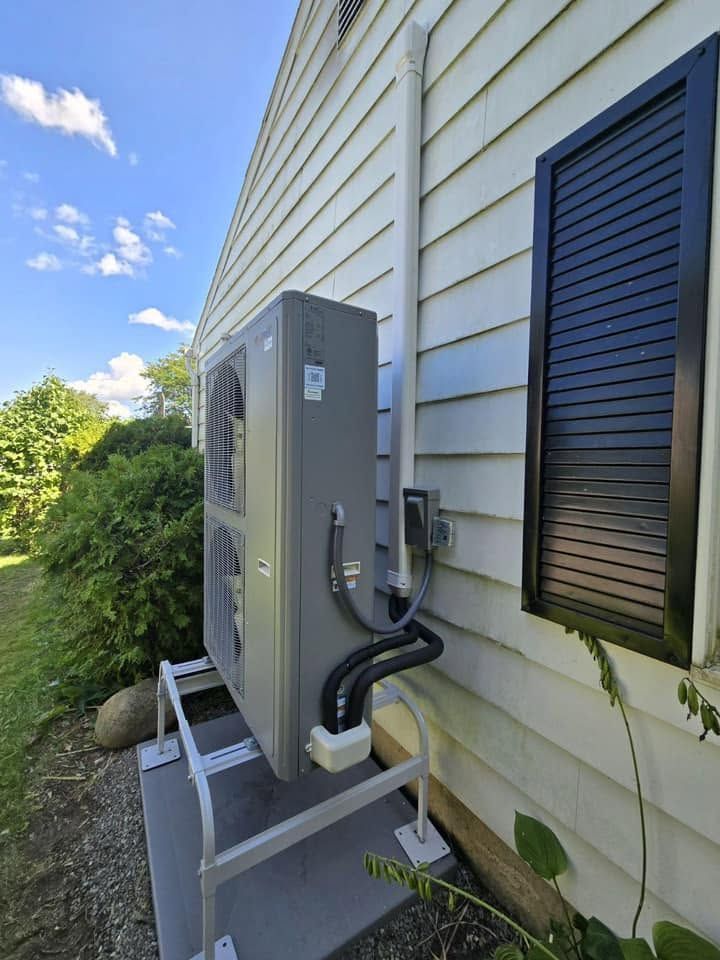
HVAC Installation in Marcy for replacing aging heating and cooling equipment
When your furnace runs constantly through January cold snaps or your air conditioner struggles to keep up during July heat, replacement becomes a practical decision rather than an emergency scramble. Allied Heating and Air Conditioning handles HVAC installation for residential and commercial properties throughout Marcy, focusing on correctly sizing new equipment to match actual heating and cooling loads rather than simply replacing old units with identical capacity. The difference shows up in how evenly temperature holds during Central New York's winter lows and summer peaks.
Proper HVAC installation begins with calculating your building's thermal characteristics—insulation levels, window exposure, square footage, and occupancy patterns—before recommending specific heating and cooling equipment. This sizing process determines whether your space requires a three-ton or four-ton air conditioner, or whether a two-stage furnace will handle temperature swings more efficiently than a single-stage model. Mismatched systems either cycle too frequently or run too long, both of which compromise comfort and increase operating costs.
Schedule an on-site evaluation to review equipment options and system sizing for your property.
What Properly Matched Equipment Actually Accomplishes
System sizing directly affects how your new HVAC equipment performs once installation is complete. An oversized air conditioner cools rooms quickly but shuts off before removing humidity, leaving your space cold and clammy during summer months. An undersized furnace runs continuously during cold stretches without ever reaching your thermostat setting, resulting in uneven temperatures between rooms and higher fuel consumption.
After Allied Heating and Air Conditioning completes installation, you'll notice consistent temperature from room to room, fewer on-off cycles throughout the day, and quieter operation compared to older equipment. The system reaches your thermostat setting without excessive runtime, then maintains that temperature without the constant cycling that characterized your previous equipment. Ductwork modifications may be part of the installation if existing runs are undersized or poorly routed, particularly in older homes where heating and cooling were added separately over time.
Replacement planning typically involves coordinating heating and cooling equipment together, even if only one system has failed, because matched components work more efficiently than mixing old and new technology. Financing options allow you to address both systems during one installation rather than deferring half the work, and consultation appointments include estimates for complete system replacement alongside single-component options.
Questions Before Installing New Equipment
Selecting heating and cooling equipment involves understanding how different components work together and how sizing decisions affect long-term performance in Central New York conditions.
How is HVAC system sizing determined for my property?
Sizing calculations account for insulation levels, window area, building orientation, and local climate data to match equipment capacity to your actual heating and cooling loads, preventing both undersized systems that run constantly and oversized systems that cycle too frequently.
What happens during the installation consultation?
The consultation includes evaluating your current equipment age and condition, measuring your space to calculate load requirements, reviewing ductwork and thermostat locations, and discussing equipment options that fit your building's specifications and your comfort priorities.
When should I replace both heating and cooling equipment together?
Coordinating furnace and air conditioner replacement makes sense when your existing equipment is more than twelve to fifteen years old, because newer systems are designed to work together and installing matched components avoids efficiency losses from pairing decades-old technology with new equipment.
How does two-stage heating differ from single-stage operation?
Two-stage furnaces run at lower capacity during milder weather and switch to full output only during temperature extremes, producing more consistent temperatures and quieter operation compared to single-stage models that always run at full capacity regardless of outdoor conditions.
What does HVAC installation include beyond the equipment itself?
Installation encompasses removing old equipment, setting and leveling new components, connecting refrigerant lines for air conditioning, routing condensate drainage, installing or upgrading thermostats, testing airflow and refrigerant charge, and verifying that the system cycles properly under actual operating conditions in Marcy.
Allied Heating and Air Conditioning provides detailed estimates that outline equipment specifications, installation scope, and available financing for customers replacing aging systems. Contact Allied to discuss heating and cooling replacement tailored to your property's requirements.