Heating and Cooling From One System
Heat Pump Installation in Marcy for properties seeking year-round climate control with modern equipment
Heat pump technology transfers thermal energy rather than generating it through combustion, allowing a single system to provide heating during winter and cooling during summer by reversing refrigerant flow direction. Installation decisions involve evaluating whether the property's heating and cooling loads match heat pump output capacity, whether existing ductwork can distribute conditioned air effectively, and whether electrical service can support the system's power requirements. Allied Heating and Air Conditioning handles heat pump installation for residential and commercial properties across Marcy, addressing equipment selection, system sizing, and installation standards that support performance across Central New York's seasonal temperature range. NYS Clean Heat incentive programs may reduce upfront costs for qualifying projects, and property owners should verify current eligibility and program requirements directly with program administrators before finalizing installation plans.
Heat pump installation begins with load calculation to determine the heating and cooling capacity required for the building's square footage, insulation quality, window area, and occupancy patterns. Equipment that is oversized short-cycles and fails to dehumidify effectively, while undersized systems run continuously without maintaining comfort during temperature extremes.
Schedule a consultation to review heat pump options and discuss system sizing based on your property's heating and cooling requirements.
What Installation Projects Include
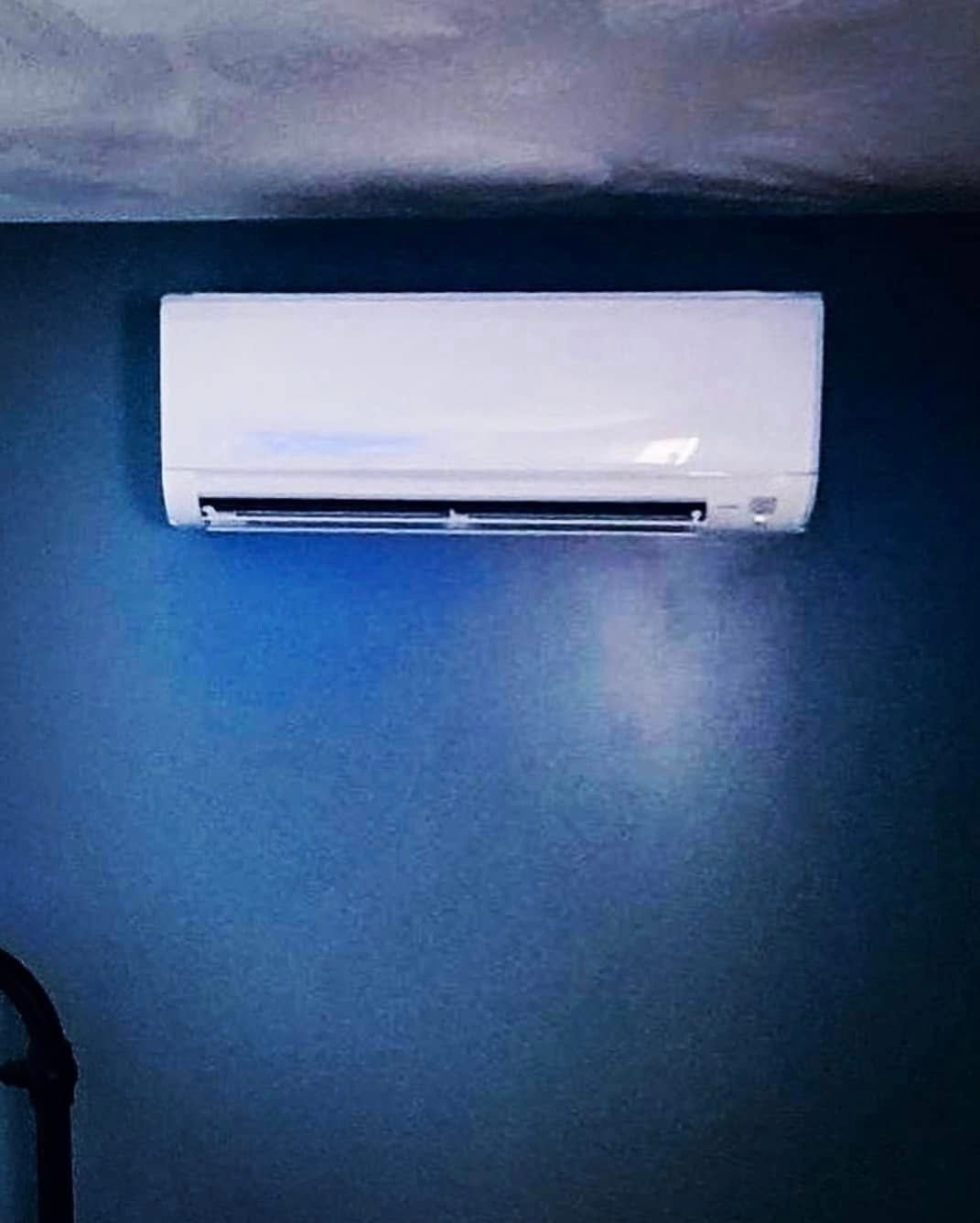
Heat pump installation involves mounting the outdoor condensing unit on a stable pad with adequate clearance for airflow and service access, installing the indoor air handler or connecting to existing ductwork, running refrigerant lines with proper insulation and pitch for oil return, and wiring controls to coordinate heating, cooling, and emergency heat modes. Ductless mini-split systems require mounting indoor heads on interior walls with condensate drainage provisions, while ducted systems demand airflow testing to ensure even distribution across all conditioned spaces. Electrical work often includes upgrading circuit breakers and wiring to handle the system's startup load.
After heat pump installation is completed, properties gain year-round climate control without maintaining separate heating and cooling systems, and occupants notice quieter operation compared to older forced-air equipment. Properly installed heat pumps maintain consistent indoor temperatures with less frequent cycling, and newer variable-speed models adjust output incrementally to match real-time demand rather than running at full capacity regardless of load.
System selection considerations include whether the property benefits from a cold-climate heat pump rated for reliable heating output at subzero temperatures, whether zoning controls would improve comfort and efficiency in multi-level or large buildings, and whether backup heating sources should be integrated for extreme cold events. Financing options are available to support equipment upgrades, and Allied serves as a local resource for heat pump projects from initial consultation through final commissioning.
Questions Before Starting Your Project
Property owners in Marcy considering heat pump installation often ask about equipment performance, incentive programs, and installation requirements specific to Central New York conditions.
How do heat pumps perform during Central New York winters?
Cold-climate heat pumps rated for operation at temperatures below zero maintain heating capacity through most winter conditions, though extremely cold periods may require supplemental electric resistance heat to meet demand—modern systems are significantly more capable than earlier generations that struggled in freezing temperatures.
What installation factors affect heat pump efficiency and comfort?
Proper refrigerant charge, accurate thermostat placement away from heat sources or drafts, sealed ductwork to prevent conditioned air loss, and correct airflow balancing across all supply registers all influence how efficiently the system operates and how evenly it maintains comfort throughout the building.
Why do some properties need ductwork modifications for heat pump installation?
Heat pumps move air at different volumes and pressures than traditional furnaces, and undersized or leaky ducts reduce system performance—sealing, insulating, and sometimes upsizing ductwork ensures the heat pump delivers its rated capacity to conditioned spaces.
What is NYS Clean Heat and how does it apply to heat pump projects in Marcy?
NYS Clean Heat is a statewide incentive program that may offer rebates or financing assistance for qualifying heat pump installations, and property owners should verify current eligibility, available incentive amounts, and application procedures directly with program administrators before finalizing equipment decisions.
How long does a heat pump installation take for a residential or commercial property?
Residential installations typically require one to two days depending on whether ductwork modifications or electrical upgrades are needed, while commercial projects extend based on equipment size, zoning complexity, and structural access for refrigerant lines and electrical runs.
Allied Heating and Air Conditioning works with residential and commercial property owners throughout Marcy on heat pump installation projects designed to provide year-round climate control with modern equipment. Call Allied Heating and Air Conditioning at (315) 404-8264 to arrange a heat pump consultation and explore available equipment options and incentive programs.