Climate Control for Occupied Business Spaces
Commercial HVAC Services in Marcy for businesses requiring reliable heating, cooling, and equipment maintenance
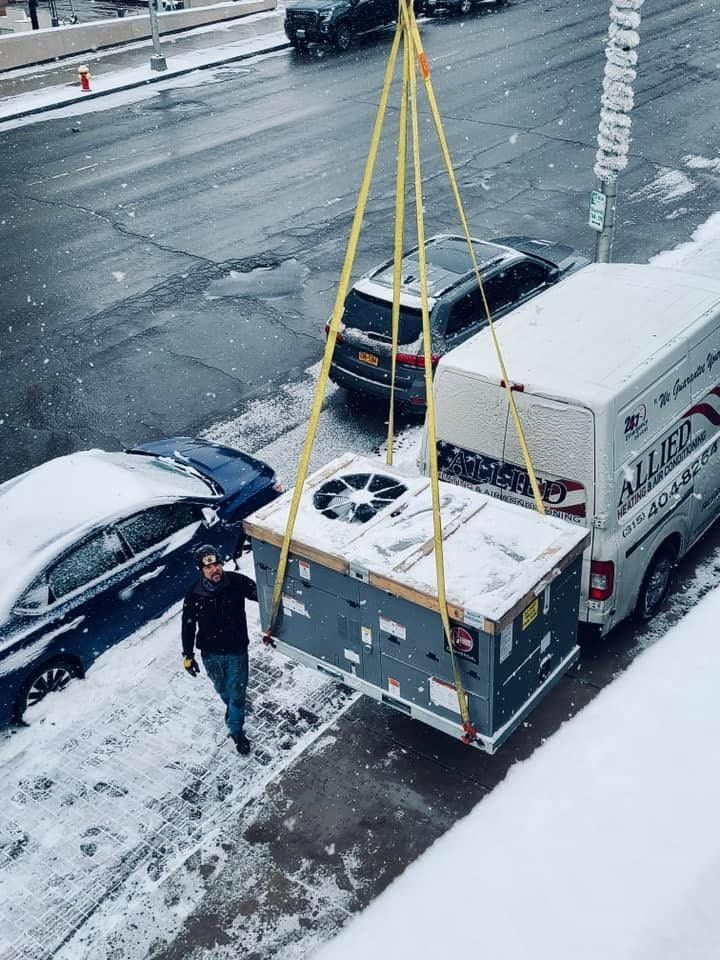
Commercial properties depend on functioning HVAC systems to maintain indoor conditions that support productivity, protect inventory, and meet occupant comfort expectations during business hours. Allied Heating and Air Conditioning provides installation, repair, and maintenance for commercial heating, air conditioning, boilers, and related equipment serving office buildings, retail spaces, warehouses, and other business facilities in Marcy. Commercial systems differ from residential equipment in capacity, complexity, and operational demands—they run longer hours, serve larger spaces, and require service scheduling that minimizes disruption to business operations.
Commercial HVAC service includes new system installation when buildings are constructed or renovated, equipment replacement when existing systems reach the end of their operational lifespan, and ongoing repair to address component failures that interrupt heating or cooling. Maintenance contracts allow businesses to schedule regular service visits that inspect equipment, replace wear items, and identify developing problems before they cause unplanned downtime during occupied hours.
Arrange a commercial HVAC consultation to discuss your property's heating and cooling needs and review service options that fit your facility's operational requirements.
What Commercial HVAC Service Includes
Installation work involves sizing equipment to match building load requirements, integrating new systems with existing ductwork or terminal units, and configuring controls that allow occupants or property managers to adjust temperature settings by zone. Repair service addresses failures such as compressor breakdowns, burner malfunctions, control failures, and refrigerant leaks that stop equipment from producing conditioned air. Maintenance visits clean coils, check refrigerant charge, test electrical connections, inspect belts and bearings, and verify that safety controls function correctly—steps that reduce the likelihood of mid-season equipment failure when heating or cooling demand is highest.
After a new system is installed or a major repair is completed, the building regains stable temperature control and airflow resumes evenly across occupied zones. Equipment cycles predictably without excessive runtime or frequent breakdowns, utility costs stabilize as efficiency improves compared to failing or undersized systems, and occupants no longer report hot or cold spots that interfere with daily activity. Maintenance programs extend equipment lifespan by catching minor issues before they escalate into expensive component replacements or emergency service calls.
Commercial service also includes emergency availability for businesses that experience unexpected system failures outside regular hours, ensuring that heating loss during winter or cooling failure during summer can be addressed before the next business day. Allied works with property managers and business owners to coordinate service timing that minimizes impact on operations, whether that means after-hours installations, weekend maintenance, or rapid emergency response when equipment stops functioning during peak occupancy..
Common Commercial HVAC Questions
Business owners and facility managers often ask about system longevity, maintenance scheduling, and what distinguishes commercial service from residential HVAC work.
How is commercial HVAC service different from residential service?
Commercial systems operate under heavier usage patterns, require coordination with business schedules to avoid disrupting occupied hours, and often involve multi-zone controls, larger equipment capacities, and more complex distribution systems than single-family residential installations.
What does a commercial HVAC maintenance plan include?
Maintenance plans typically cover seasonal inspections before heating and cooling seasons begin, filter changes, lubrication of moving parts, electrical testing, refrigerant checks, and priority scheduling for service requests, with visit frequency based on equipment type and building usage intensity.
How long does commercial HVAC equipment last before replacement is needed?
Lifespan depends on equipment type, runtime hours, and maintenance history—rooftop units and split systems often last 15 to 20 years with proper care, while boilers may operate longer, but deferred maintenance or heavy usage accelerates wear and shortens functional life.
Can existing commercial HVAC systems be upgraded without full replacement?
Many systems support partial upgrades such as control system modernization, zone damper installation, or efficiency improvements through component replacement, allowing performance gains without the expense and disruption of complete system removal in Marcy facilities where downtime affects business operations.
What should businesses do if their HVAC system fails during business hours?
Contact Allied immediately for emergency commercial service—technicians assess the problem, determine whether temporary repair can restore function until a permanent fix is completed, and prioritize response to minimize the time your building operates without climate control.
Allied Heating and Air Conditioning serves commercial clients throughout Marcy with comprehensive HVAC installation, repair, and maintenance tailored to business facility requirements. Schedule a property assessment at (315) 404-8264 to review your current equipment performance and discuss service plans that keep your business environment comfortable and operational year-round.